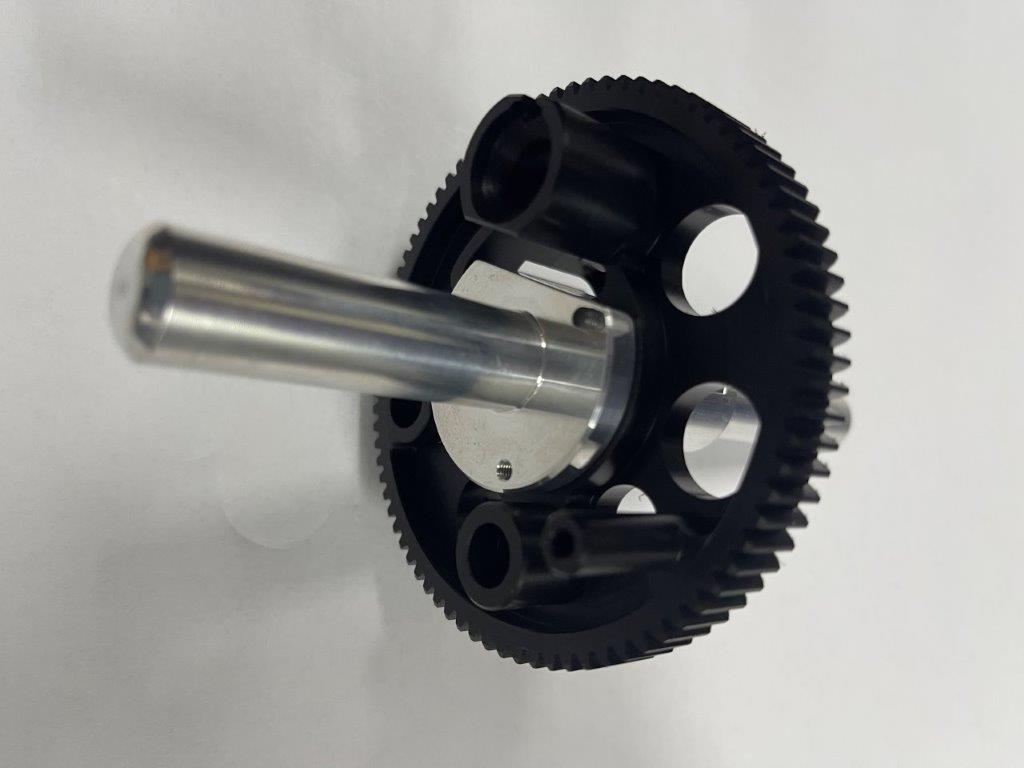
Source custom shafts for industrial equipment through conventional turning by Aero Spec Engineering in Melbourne. Send us your drawings or sample.
Conventional turning is a practical machining method for producing one-off or low-quantity rotational components, including custom shafts, where a standard replacement is unavailable or unsuitable. At Aero Spec Engineering, we assess the supplied requirements before machining so the finished component is made for its intended assembly and operating context.
When a Custom Shaft Is the Practical Replacement?
Industrial equipment can remain productive long after an original part becomes difficult to source. A worn, damaged or obsolete shaft does not automatically justify replacing an entire machine or assembly. Where the surrounding equipment remains serviceable, a purpose-machined replacement may provide a more focused procurement option.
Our conventional turning capability supports shafts, pins, bushes, pulleys and other rotational parts across the materials listed on our website, including steels, stainless steels, alloys, plastics and high-tensile tool steels. Suitability depends on the component geometry, material, quantity and inspection requirements—not on a generic promise that one process fits every job.
Information We Need Before Machining
The fastest route to a useful quotation is clear technical information. Depending on the job, we may review a customer-supplied drawing, specification or physical sample and confirm what can be manufactured. Useful inputs include:
- Dimensions and tolerances: Diameters, shoulders, lengths, fits and any critical features.
- Material requirements: The nominated grade, or enough application detail for the requirement to be reviewed.
- Connection features: Keyways, threads, tapers, grooves or other interfaces shown in the supplied information.
- Quantity and timing: Whether the request is a one-off replacement, a small batch or part of planned maintenance.
- Verification needs: Inspection records, mating-part information or other acceptance criteria relevant to the job.
A worn sample may not preserve the component’s original dimensions. In that situation, mating-part measurements, historical drawings or engineering direction may be needed before manufacture. Simply copying damaged geometry can reproduce the fault instead of solving the replacement problem.
Why Conventional Turning Suits Replacement Work?
Conventional turning gives a skilled machinist direct control over the cutting process, making it useful for repair-oriented work, low quantities and components that require judgement during setup. It is especially relevant when the requirement is defined by an existing part rather than a repeat production program. For a broader explanation of the components and features the process can produce, see our article on conventional turning for steel parts.
The method is not automatically the best choice for every shaft. CNC turning may be more appropriate for repeat quantities, complex toolpaths or production requirements that benefit from automation. We consider the available information and machining scope before recommending a route.
Replacement Components and Responsible Plant Decisions
A machined component is only one part of a safe maintenance decision. The equipment owner or responsible engineer must confirm the design, material, installation and fitness for service.
Safe Work Australia’s plant guidance notes that plant includes machinery and connected components and that risks must be managed throughout the plant lifecycle. We manufacture to the agreed information; we do not replace the customer’s engineering approval or workplace safety obligations.
Request a Quote for a Custom Shaft
If you need a replacement shaft, send us the drawing, specification or sample details you have. Contact Aero Spec Engineering for an initial review and a straightforward quotation for conventional turning in Melbourne.
Optimized by: Netwizard SEO